


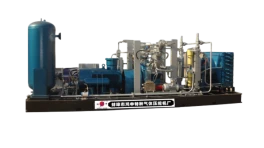
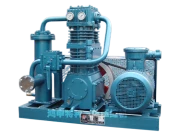
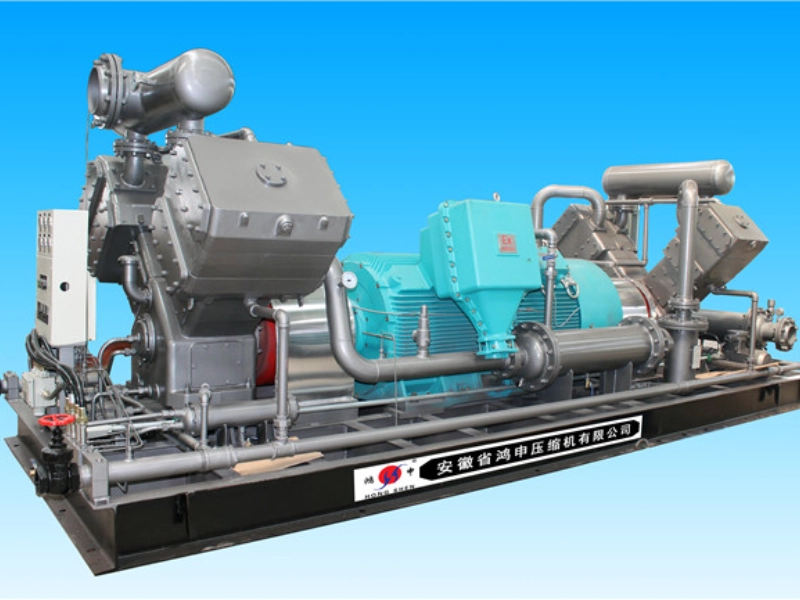
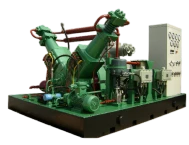
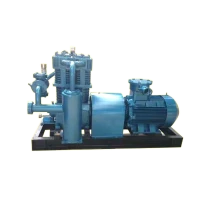
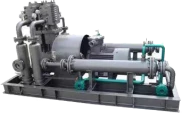
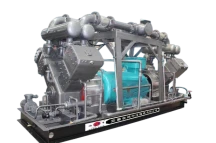
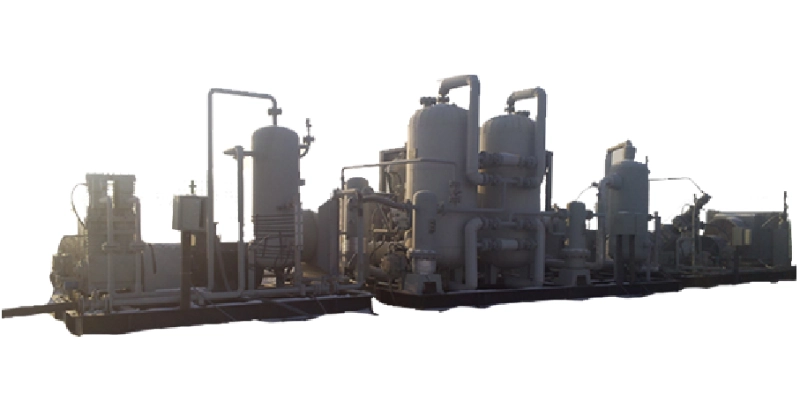
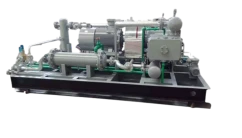

Natural gas compressors are indispensable equipment in the modern energy industry, widely used in the storage, transportation, and processing of natural gas. With the increasing global demand for clean energy, the use of natural gas as a low-carbon fuel is becoming increasingly common. Therefore, understanding the working principle of natural gas compressors and their applications in various fields is particularly important. Hongshen will provide an in-depth analysis of the working principle of natural gas compressors and their key roles in multiple industries.
Working Principle of Natural Gas Compressors
The core function of a natural gas compressor is to compress natural gas from low pressure to high pressure for easy transportation and storage. The basic principle of the compression process can be explained by the laws of thermodynamics. During operation, natural gas is drawn into the compressor and its volume is compressed through a series of mechanical devices, thereby increasing the gas pressure. The main components of the compressor include cylinders, pistons, valves, and drive devices. Through compression, the volume of natural gas is significantly reduced, enabling efficient transportation in pipelines and facilitating long-term storage.
The working process of a natural gas compressor consists of several stages, typically including intake, compression, and exhaust. After being drawn in, the gas is compressed through mechanical movement within the compressor’s working chamber and ultimately discharged at high pressure. This process requires not only precise control but also a highly efficient energy conversion system to ensure the stable operation of natural gas compressors under high-pressure environments.
Application Areas of Natural Gas Compressors
Natural gas compressors play a crucial role in multiple industries. Here are some of the main application areas:
Natural Gas Transportation and Storage
Natural gas compressors are essential in the construction and transportation of natural gas pipelines. To efficiently and safely transport natural gas from production sites to consumption sites, natural gas compressors are typically used to compress the gas at high pressure. Through compression, natural gas can flow over long distances in pipelines without interruption due to insufficient pressure. Therefore, natural gas compressors not only improve transportation efficiency but also ensure the safety of the transportation process.
City Gas Systems
The application of natural gas compressors is crucial in city gas supply systems. To meet the energy needs of cities, natural gas must be stored and distributed at different pressures. Highly efficient natural gas compressors ensure that the gas remains within the appropriate pressure range throughout the supply process, ensuring a stable and reliable supply of natural gas to city users.
Industrial Applications
Many industrial sectors, especially the petrochemical and chemical industries, have huge demands for natural gas. Natural gas compressors are mainly used in these industries to provide a stable gas source. For example, in the production of natural gas chemical products, compressors can effectively increase the pressure of natural gas, thereby promoting chemical reactions and product production. Through efficient compression equipment, the industrial sector can ensure the continuity of energy supply and production efficiency.
Natural Gas Power Generation
Natural gas power generation, as an environmentally friendly and efficient energy form, is gradually replacing traditional coal-fired power generation. Natural gas compressors also play a crucial role in this process. In natural gas power plants, natural gas needs to be supplied to gas turbines under high pressure to improve power generation efficiency. Natural gas compressors ensure that natural gas is fully utilized during efficient combustion, reducing energy waste and lowering carbon dioxide emissions.
Clean Energy Projects
With the global emphasis on clean energy, natural gas has become one of the important energy sources to replace coal. Natural gas compressors not only play a role in conventional natural gas utilization but also play an increasingly important role in new energy projects. For example, in distributed energy systems and gas turbine power generation systems, natural gas compressors can provide the necessary gas pressure, thereby ensuring efficient energy conversion.
Future Development Trends of Natural Gas Compressors
With increasingly stringent environmental policies and continuous technological advancements, the future of natural gas compressors will move towards greater efficiency and environmental friendliness. For example, the application of intelligent control technology and high-efficiency energy-saving technology will greatly improve the working efficiency of natural gas compressors and reduce energy consumption. Furthermore, as the use of natural gas as a clean energy source continues to expand, the market demand for natural gas compressors will continue to grow, driving continuous innovation in related technologies.
Conclusion
Natural gas compressors, as important energy equipment, play an indispensable role in various energy industries. Understanding their working principles and application areas allows us to better appreciate the enormous potential of natural gas compressors in improving energy efficiency, reducing carbon emissions, and promoting sustainable development. Whether in natural gas transportation and storage, or in industrial and urban gas supply, the application of natural gas compressors will continue to drive progress and transformation in the energy industry.
By rationally selecting and efficiently operating natural gas compressors, enterprises can not only improve production efficiency but also gain a competitive edge in the wave of green development. If you are looking for more efficient natural gas compressor solutions, understanding their working principles and application areas will help you make a more appropriate decision.