



Table of Contents
As global energy demand continues to rise, natural gas and liquefied natural gas (LNG) have become increasingly important as cleaner energy sources. However, during the transportation of LNG, boil-off gas (BOG) is generated, which not only wastes resources but can also contribute to environmental pollution. To effectively address this issue, boil-off gas compressors (BOG compressors) have emerged, playing a crucial role in reducing emissions and improving transportation efficiency. This article explores how boil-off gas compressors reduce emissions in natural gas and LNG transportation and their significance in the energy industry.
The Working Principle of Boil-Off Gas Compressors
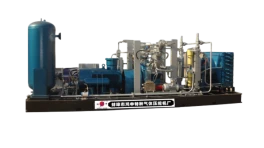
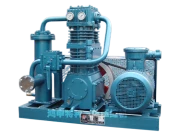
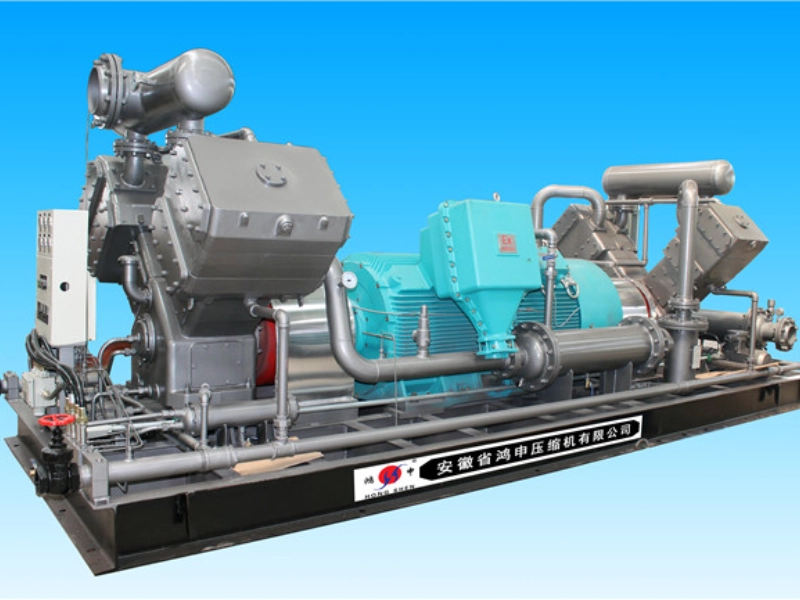
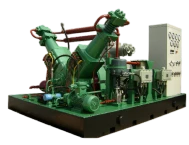
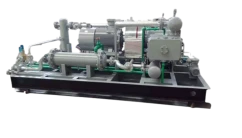
A boil-off gas compressor is a device specifically designed to handle the boil-off gas generated during LNG transportation. During the transport of LNG, temperature fluctuations cause a portion of the liquid gas to evaporate into gas. If not properly managed, this evaporated gas not only wastes valuable natural gas resources but also gets released into the atmosphere, contributing to pollution.
The boil-off gas compressor compresses the evaporated gas, converting it into high-pressure gas, which is then recovered, stored, or further utilized through related equipment. In this way, the boil-off gas compressor effectively reduces emissions from LNG transportation and enhances resource utilization efficiency.
The Role of Boil-Off Gas Compressors in Emission Reduction
Reducing Greenhouse Gas Emissions
During natural gas and LNG transportation, unprocessed boil-off gas released into the atmosphere can increase greenhouse gas emissions. Methane, a potent greenhouse gas, has 25 times the warming potential of carbon dioxide. By using boil-off gas compressors, these gases can be compressed and recovered, significantly reducing greenhouse gas emissions and contributing to climate change mitigation.
Optimizing Energy Use
Boil-off gas represents an energy loss during LNG transportation. If not processed, it wastes natural gas and increases energy consumption. Efficient boil-off gas compressors can recover and compress the evaporated gas for reuse or reinjection into the LNG system, thereby reducing gas waste and enhancing overall energy efficiency, which lowers energy consumption and operational costs.
Improving Environmental Compliance
As environmental regulations become increasingly stringent, the LNG transportation industry faces growing pressure to control emissions. By using boil-off gas compressors, companies can meet environmental standards, avoiding fines or penalties for excessive emissions. Adopting advanced boil-off gas compression technology enables companies to significantly reduce emissions, ensuring compliant and sustainable operations.
Market Prospects and Applications of Boil-Off Gas Compressors
A Necessity in the LNG Transportation Industry
With the growing global demand for natural gas, the LNG transportation industry is also expanding. As environmental requirements tighten, high-efficiency boil-off gas compressors have become a standard component in LNG transportation. In particular, during long-distance shipping and extended storage, boil-off gas compressors can effectively address the problem of boil-off gas emissions, meeting both environmental and economic needs.
Applications in Other Industries
In addition to LNG transportation, boil-off gas compressors have a wide range of applications in the transportation, storage, and processing of other natural gas and liquefied gases. They are not only used to process boil-off gas but can also be employed in certain industrial production processes to recover gas, reduce waste, and improve production efficiency. With ongoing advancements in environmental technologies, boil-off gas compressors are likely to find applications in even more sectors.
Conclusion
In conclusion, boil-off gas compressors, by efficiently recovering boil-off gas, not only significantly reduce emissions in natural gas and LNG transportation but also optimize energy utilization. With tightening global environmental regulations and the increasing demand for natural gas, boil-off gas compressors will play an increasingly critical role in LNG transportation and other natural gas-related industries. Companies that prioritize efficient boil-off gas compressors when selecting LNG transportation equipment will be able to achieve both environmental compliance and improved economic performance, paving the way for sustainable development.