



Table of Contents
Natural gas is a crucial component of the modern energy structure, especially in the promotion and application of clean energy, where its role is increasingly prominent. However, during natural gas transportation, transmission efficiency directly impacts the cost and efficiency of energy utilization. To improve natural gas transmission efficiency, natural gas compressors, as key equipment, play an irreplaceable role. Hongshen will guide you through understanding how natural gas compressors improve gas transmission efficiency, optimize the energy transportation process, and help enterprises reduce costs and improve energy utilization.
Basic Principles and Functions of Natural Gas Compressors
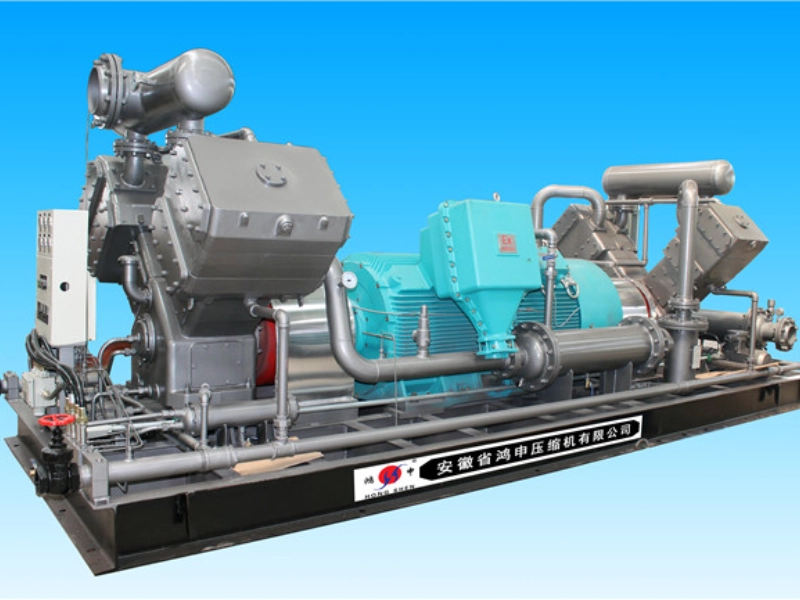
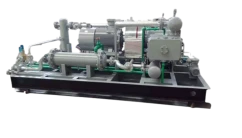
Natural gas compressors compress natural gas from low pressure to high pressure, adapting it to the needs of transportation, storage, and processing. Simply put, their working principle involves using mechanical force to reduce the volume of natural gas while simultaneously increasing its pressure. This process typically occurs within the compressor’s cylinders, where the gas undergoes multiple stages, including intake, compression, and exhaust, to compress it to a set high-pressure state, ensuring the smooth transmission of natural gas to users over long distances.
By increasing the gas pressure to a suitable range, natural gas compressors not only enhance gas flowability but also reduce pressure loss during transmission, thereby improving gas transmission efficiency. Especially in long-distance, high-flow-rate natural gas pipelines, the efficient operation of compressors is crucial.
Ways to Improve Transmission Efficiency with Natural Gas Compressors
Optimizing the Compression Process to Improve Compression Efficiency
Natural gas compressors can significantly improve compression efficiency by precisely controlling the temperature and pressure during the compression process. For example, using multi-stage compression technology to compress gas in stages not only reduces energy consumption per compression but also reduces the compressor load, improving long-term stable operation efficiency. High-efficiency natural gas compressors can maintain stable gas pressure and flow while reducing energy consumption, thereby improving overall gas transmission efficiency.
Using Energy-Saving Natural Gas Compressors
With increasingly stringent environmental regulations, the energy efficiency of natural gas compressors has become a crucial factor in improving gas transmission efficiency. Energy-saving natural gas compressors can improve overall gas transmission efficiency while reducing operating costs by reducing energy consumption and improving mechanical efficiency. For example, modern natural gas compressors use variable frequency technology, which can adjust the operating speed according to demand, avoiding over-operation and reducing energy consumption and equipment wear.
Reducing Energy Loss During Compression
Continuous advancements in the design and technology of natural gas compressors, through optimizing airflow paths and improving sealing performance, can reduce energy losses caused by friction, leakage, and other factors during compression. Employing an efficient gas cooling system also helps maintain appropriate gas temperatures during compression, preventing efficiency drops due to overheating.
Intelligent Control and Monitoring Technology
Modern natural gas compressors are equipped with intelligent control systems that monitor the compressor’s operating status in real time. Through data analysis and real-time adjustment of operating parameters, the intelligent control system can automatically optimize compressor performance under different operating conditions, ensuring maximum gas transmission efficiency. These intelligent functions not only improve operating efficiency but also extend equipment lifespan and reduce maintenance costs.
Regular Maintenance and Upkeep
While efficient natural gas compressors can significantly improve gas transmission efficiency, regular maintenance is equally crucial. Regular cleaning, replacement of worn parts, and checking seals help maintain the compressor’s efficient operating condition. Regular inspections and maintenance not only reduce malfunctions but also ensure the compressor is always in optimal working condition, thus preventing efficiency decline.
The Key Role of Natural Gas Compressors in Improving Gas Transmission Efficiency
The role of natural gas compressors in the entire gas transmission system is indispensable. They not only ensure efficient gas flow but also optimize energy use during gas transportation. High-efficiency natural gas compressors can reduce energy waste, improve the stability and safety of gas transmission, and thus enhance overall energy transmission efficiency.
For natural gas suppliers, improving gas transmission efficiency not only reduces operating costs but also improves service quality and customer satisfaction. By investing in high-efficiency natural gas compressors, companies can ensure a stable supply while achieving green, environmentally friendly, and sustainable development.
Conclusion
Natural gas compressors are core equipment for improving gas transmission efficiency. By optimizing the compression process, adopting energy-saving technologies, reducing energy loss, introducing intelligent control systems, and conducting regular maintenance, natural gas compressors can significantly improve gas transmission efficiency, bringing lower operating costs and higher economic benefits to companies. With the continuous growth in natural gas demand, natural gas compressors will continue to play a crucial role in the future energy industry. If you wish to improve efficiency and reduce costs in natural gas transmission, choosing a high-efficiency, intelligent natural gas compressor is a good option.